Help for Depression and Mood Disorders
Psychotherapy treatment for depression and other mood disorders
Depression
Everyone occasionally experiences the blues or feels sadness, but when a person has a depressive disorder it interferes with their normal level of functioning. Depression is a common yet serious illness, and most people who experience it find therapy to be helpful.
Some symptoms of depression include:
-Insomnia, difficulty sleeping or sleeping too much
-Difficulty concentrating, remembering details and making decisions
-Feelings of hopelessness, guilt or worthlessness
-Negative thoughts
-Changes in eating, overeating or loss of appetite
-Agitation, irritability, aggression or anger
-Little or no interest in activities or hobbies that were previously enjoyed
-Increase in alcohol consumption and/or reckless behavior
-Thoughts of suicide
Depression is a mental health condition that affects millions of people worldwide, disrupting their daily lives and compromising their well-being. While the experience of depression can vary significantly from one individual to another, the common thread that binds those affected is a sense of overwhelming sadness, lethargy, and a diminished interest in activities once enjoyed. One of the most effective ways to treat depression is through psychotherapy, which provides individuals with the tools to manage their symptoms, address underlying issues, and move toward psychological wellness.
The grip of depression can manifest in various ways, from persistent feelings of emptiness to an inability to concentrate and make decisions. Physical symptoms might include fatigue, sleep disturbances, and changes in appetite. The world seems to lose its color, and the future can appear bleak. Activities that once brought joy now seem meaningless, and social interactions can become burdensome. The complexity of these symptoms makes it difficult for those who have never experienced depression to fully understand its impact.
Depression is not something one can simply "snap out of". The condition often requires professional intervention for proper diagnosis and treatment. Once diagnosed, a healthcare provider may recommend a variety of treatment options, one of which is psychotherapy.
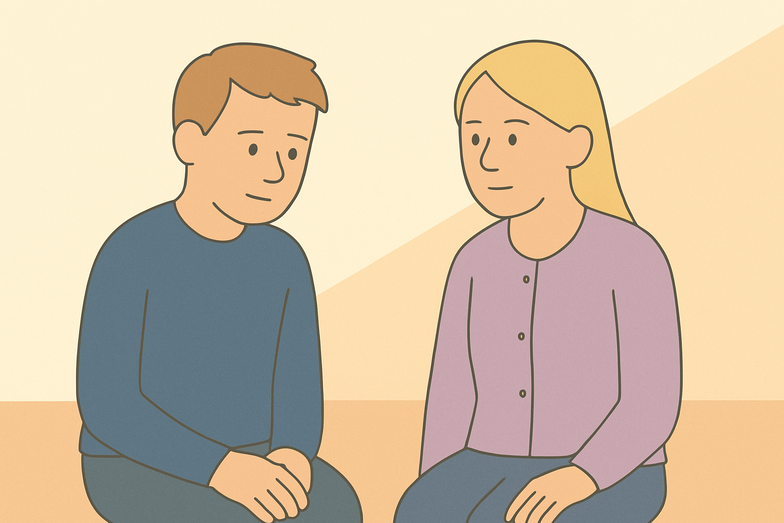
Psychotherapy provides a safe space for individuals to explore their thoughts, feelings, and concerns with a qualified professional. Over time, it can lead to a better understanding of oneself and the external factors that may be contributing to one's depression. The coping mechanisms and skills learned during therapy sessions can be life-changing, providing the individual with a framework for managing their symptoms and improving their overall quality of life.
Bipolar Disorder
We all experience mood swings now and then which is part of the normal range of emotions we have, and we especially go through these in response to external events. One moment we feel pretty good, the other we might feel irritable and frustrated. However, people with bipolar disorder experience severe mood swings that impair their daily life, negatively affect their relationships, and interfere with their functioning.
Individuals with bipolar disorder (which is also referred to as manic-depression) suffer from mood swings. They have depressive periods and when their mood swings, they feel euphoric and on top of the world and exhibit unstable behaviors. Bipolar Disorder can be treated successfully with both medication and therapy.
Some symptoms of bipolar disorder Include:
-Mood: mood swings, anger, anxiety, apathy, apprehension, euphoria, guilt, hopelessness, loss of interest or pleasure in activities
-Behavioral: irritability, risk taking behaviors, disorganized behavior, aggression, agitation, crying, excess desire for sex, excessive spending, hyperactivity, impulsivity, restlessness, or self-harm
-Cognitive: unwanted thoughts, delusion, lack of concentration, racing thoughts, slowness in activity, or false belief of superiority
-Psychological: depression, manic episode, agitated depression, or paranoia
-Sleep: difficulty falling asleep or excess sleepiness
-Weight: weight gain or weight loss
-Also common: fatigue or rapid and frenzied speaking
Treatment for Mood Disorders
Recognizing the symptoms of a mood disorder is often the biggest obstacle to the proper diagnosis and treatment. Counseling has been shown to significantly improve quality of life. We integrate various therapy approaches to help treat mood disorders including interpersonal/relational therapy, psychodynamic psychotherapy and cognitive behavioral therapy techniques.
We attempt to heal by defining the negative impacts in your life and actively develop techniques to help cope with or resolve these. We also explore your relationship patterns, psychology, and patterns throughout your life which may be influencing your symptoms so that we can help diminish them and create new coping skills, relationships, and ways of relating.
Once you have recognized that you are experiencing symptoms of a mood disorder that are negatively affecting your life, it may be time to consider visiting us. We are licensed clinical therapists covered by many commercials and managed Medicaid insurance plans. Therapy is successful at treating symptoms, whether it is used on its own or along with medication management by psychiatrist or nurse practitioner and we would be glad to try to help you find help for a psychiatry consultation as well.